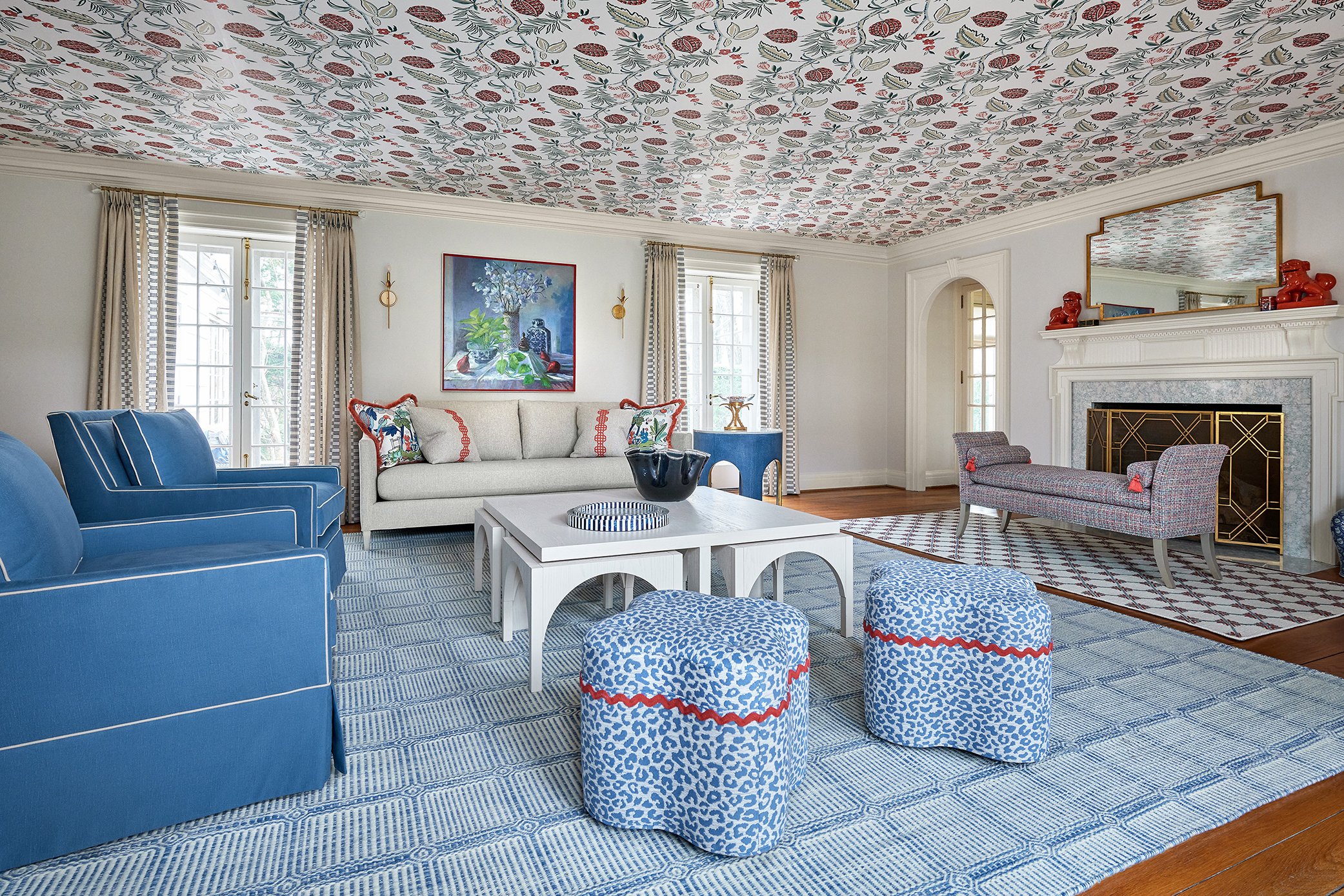
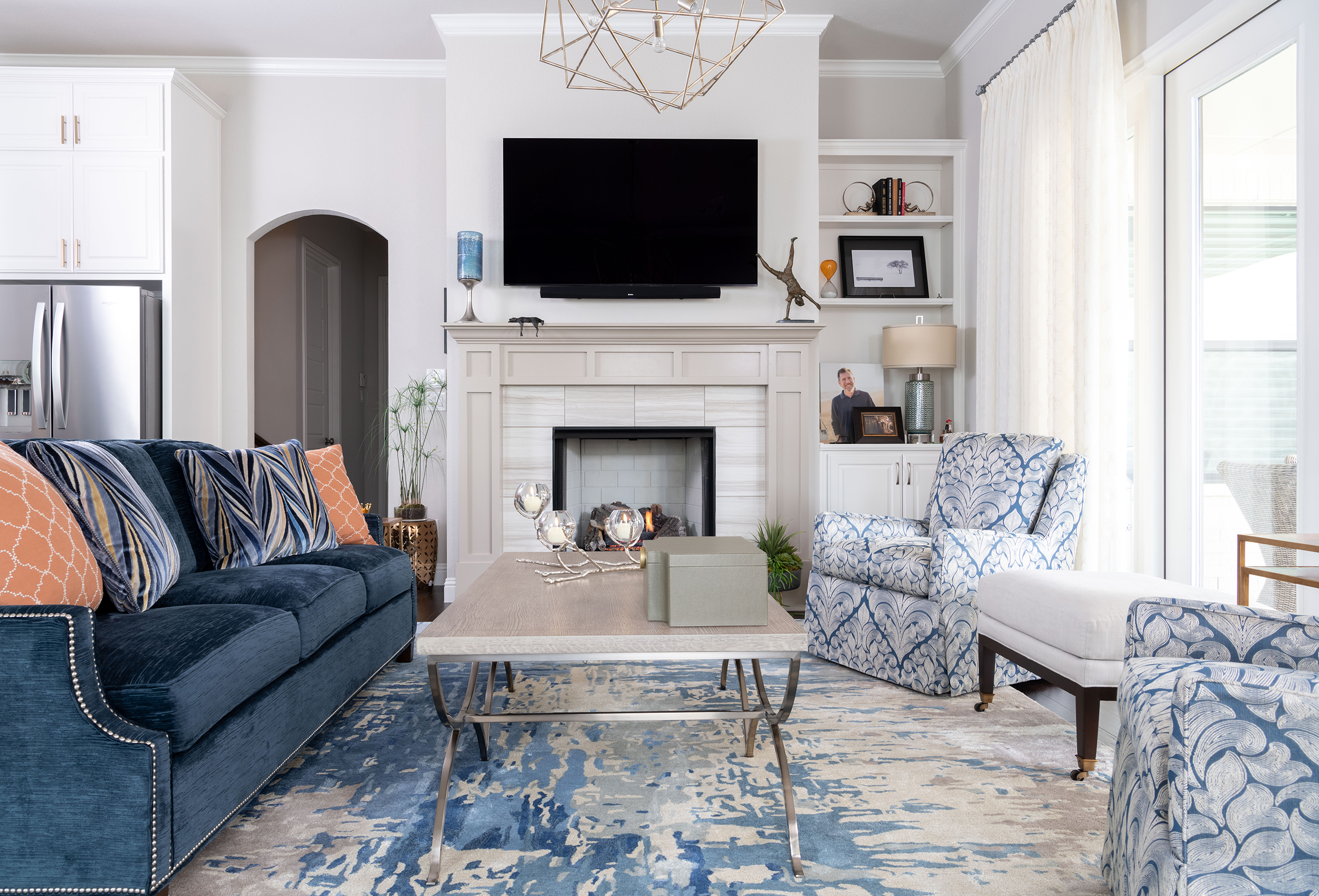
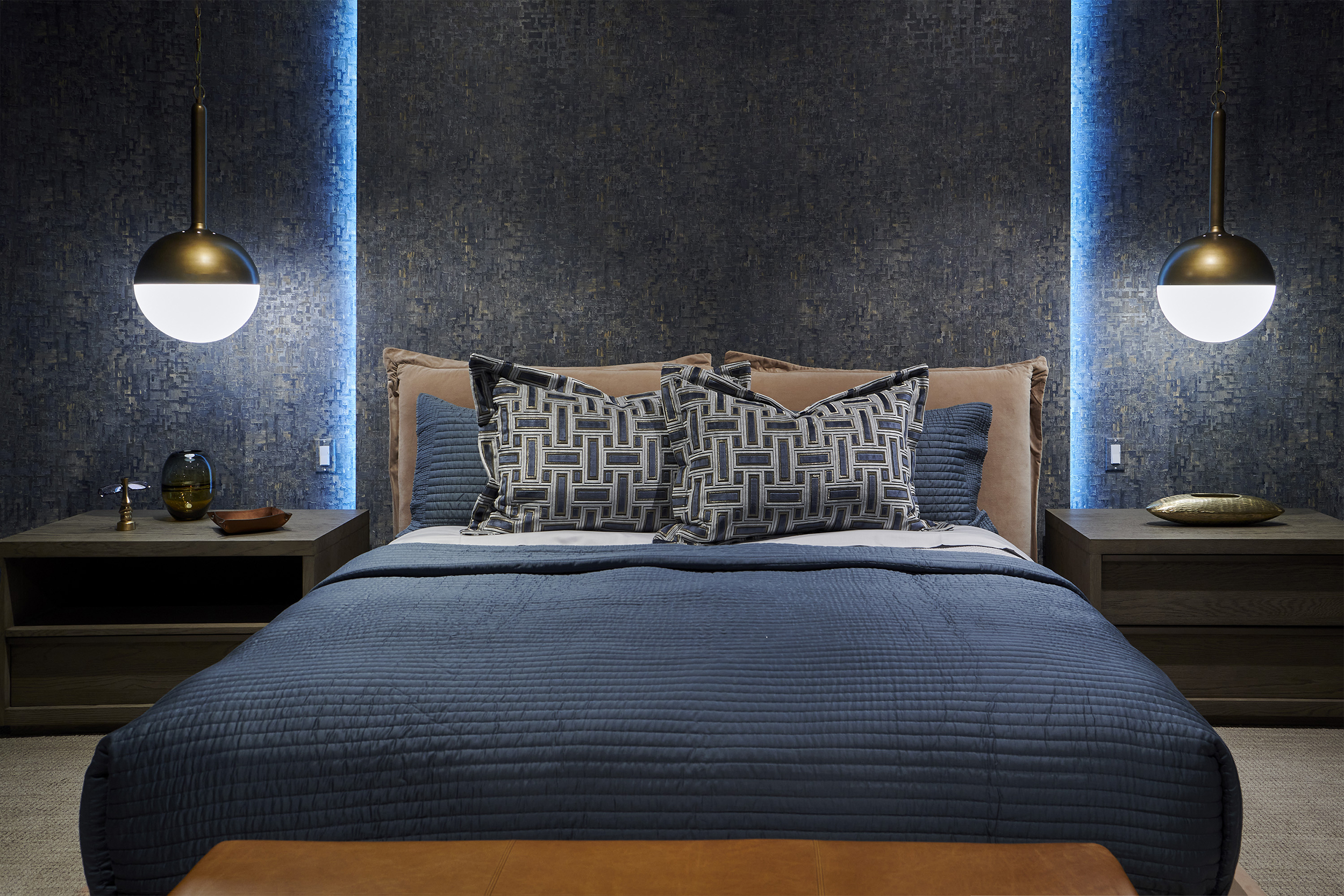
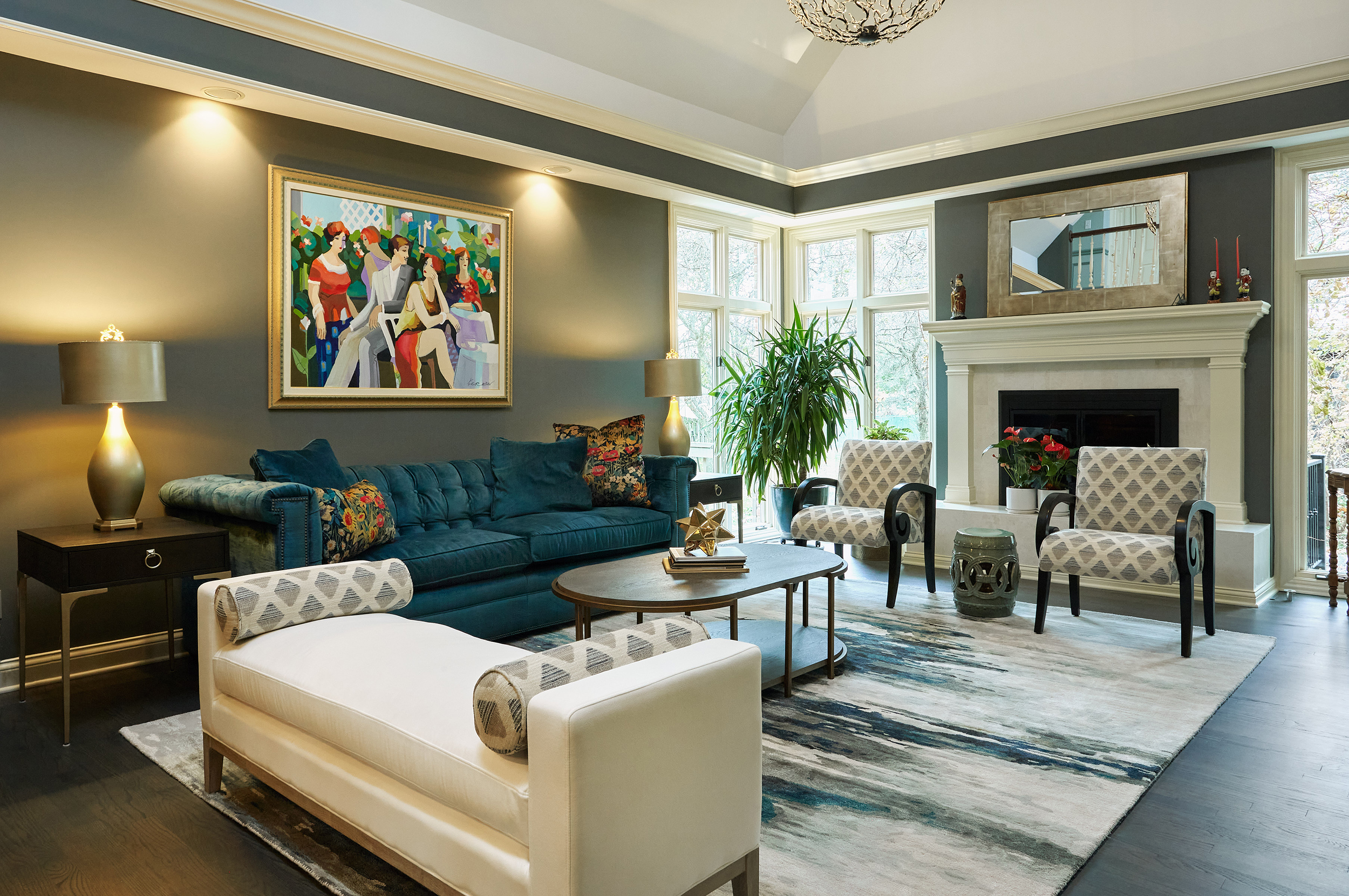
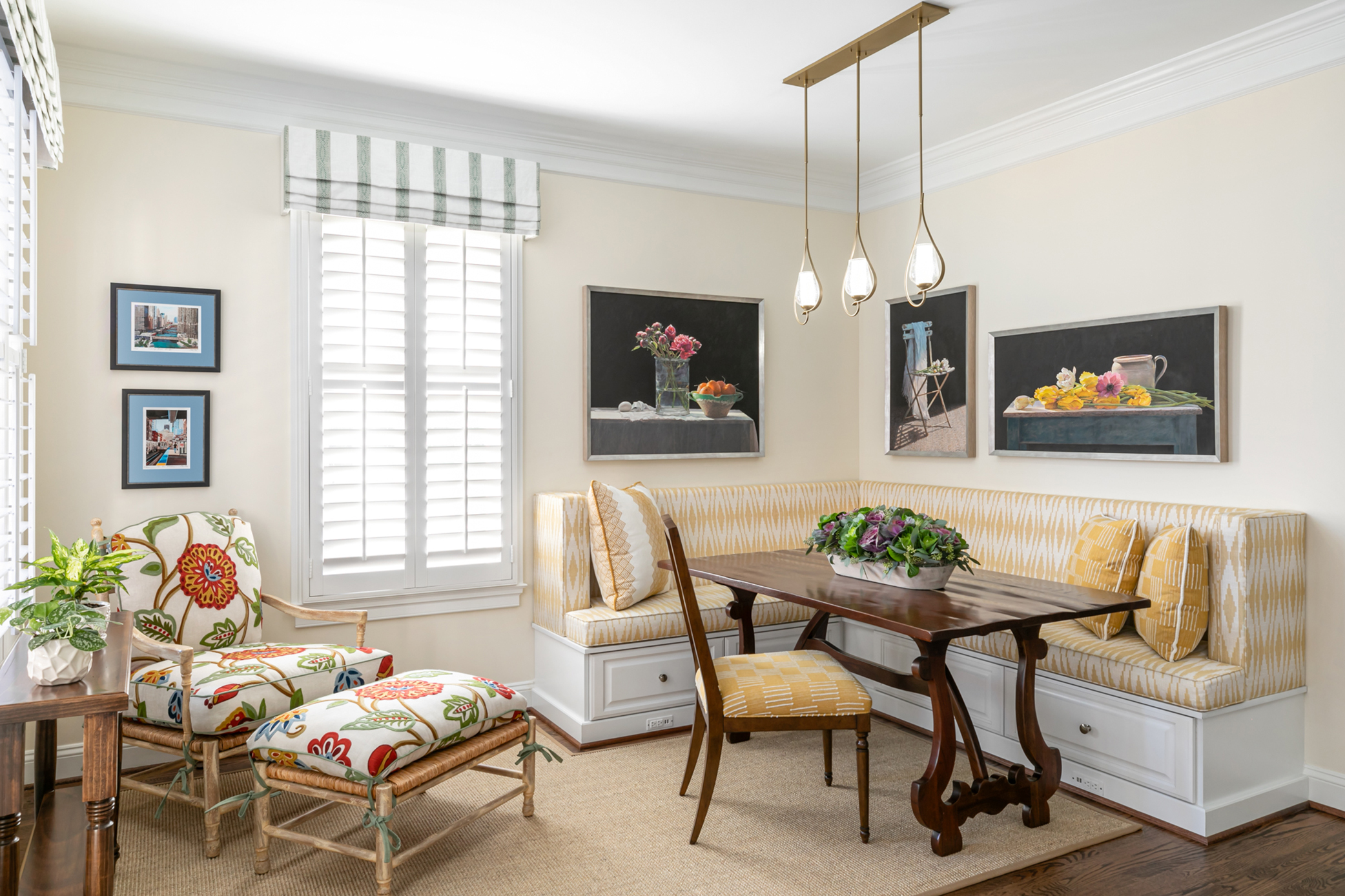
Walk into almost any room that feels “not quite right” and I can usually spot the problem in under ten seconds. The furniture is fine. The paint color works. The rug is decent. But the windows are bare, or they have the same builder-grade blinds that were there when the house was built in 1987.
Windows are the largest visual surface in most rooms after the walls and floor. When they’re undressed or poorly dressed, everything else in the room looks cheaper by association. A $3,000 sofa next to a naked window still looks like it’s sitting in an unfinished room.
Of all the changes I make for clients, window treatments are the one I’d pick if I could only do one thing. They change how a room feels, how tall the ceilings look, how the light moves through the space, and how finished everything reads. Nothing else works that hard for a single investment.
How drapery changes a room’s proportions
There’s a trick that interior designers have used for decades and most homeowners still don’t know about. Hang your curtain rod as close to the ceiling as possible, not at the top of the window frame. Then let the panels run all the way to the floor.
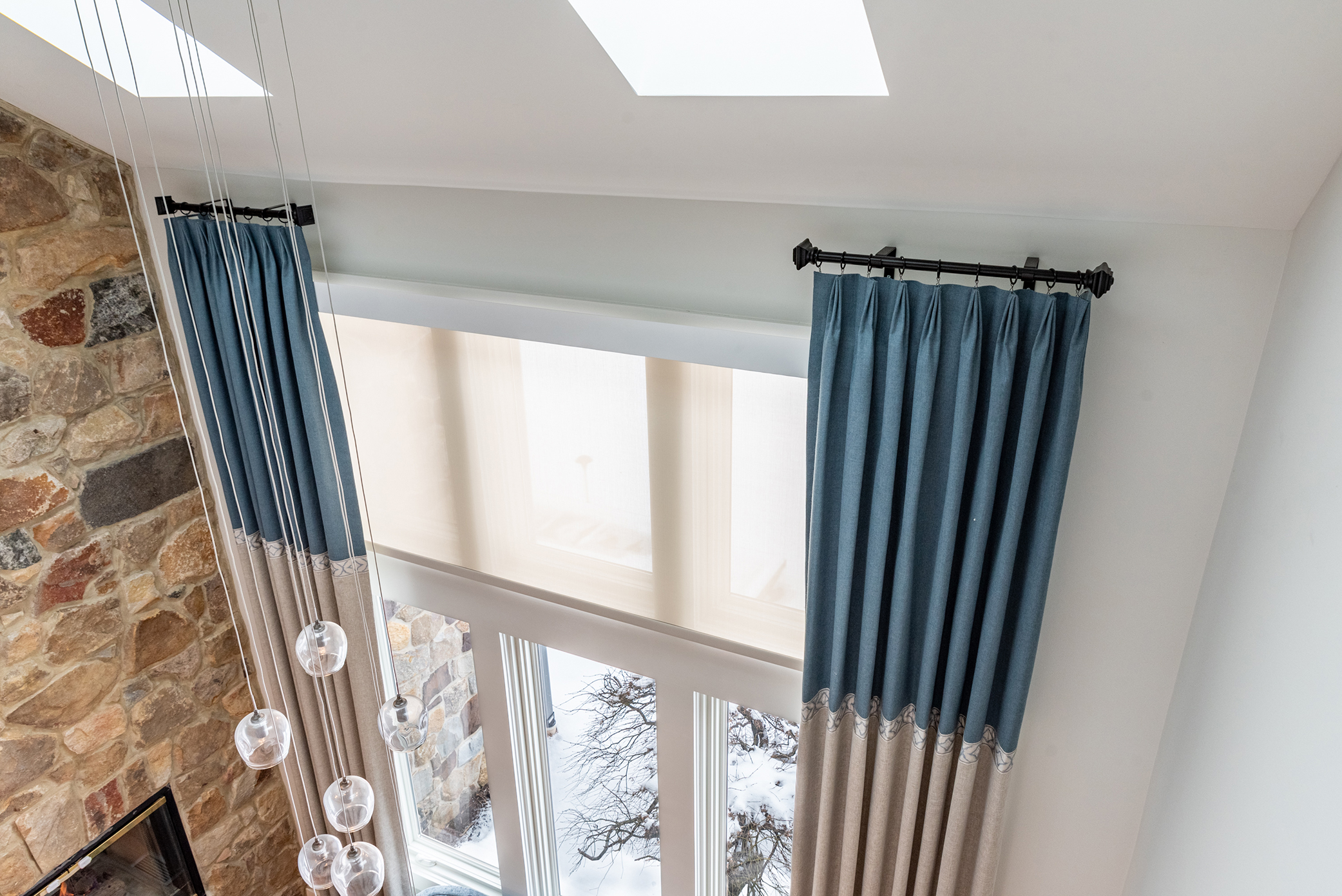
This does two things. First, it draws the eye up and makes the ceiling feel taller. An eight-foot ceiling with floor-length panels hung at seven and a half feet reads completely differently than the same ceiling with curtains hung at the window frame five feet up. Second, the vertical lines of the panels elongate the wall, which makes the whole room feel more generous.
In older Connecticut homes where ceiling heights are typically eight feet (sometimes less in Capes), this is one of the most effective ways to make a room feel larger without touching any walls. I’ve had clients say their living room “grew” after we installed new drapery. Nothing changed but the windows.
Why fabric choice matters more than you think
The weight and texture of your curtain fabric sets the mood for the entire room. This is where most off-the-shelf curtains fall short. They’re made from thin polyester that hangs flat and limp, and they look it.

A heavyweight linen drapes in soft, relaxed folds and filters light in a way that makes the whole room feel warmer. Cotton canvas gives you clean, structured lines for a more tailored look. Silk catches light and adds a subtle sheen that works beautifully in formal dining rooms and bedrooms. Velvet absorbs sound and light, which makes a room feel instantly quieter and more intimate.
The fabric is also what you touch every single day when you open and close your curtains. There’s a real difference between grabbing a fistful of cheap polyester and running your hand along a quality linen or cotton blend. It’s one of those things that sounds small but changes how your home feels to live in.
Color matters here too, and it’s where custom work really separates itself from retail. When I work with a client, I can pull fabric samples that pick up the exact sage green in their area rug, or the warm honey tone in their hardwood floors. A store-bought panel in “ivory” is a guess. A custom panel in the right ivory, the one that actually works with your wall color and your light, is a completely different thing.
The layering trick that most people skip
If I could teach every homeowner one window treatment technique, it would be layering. A single panel on its own can look good. Two layers together look designed.
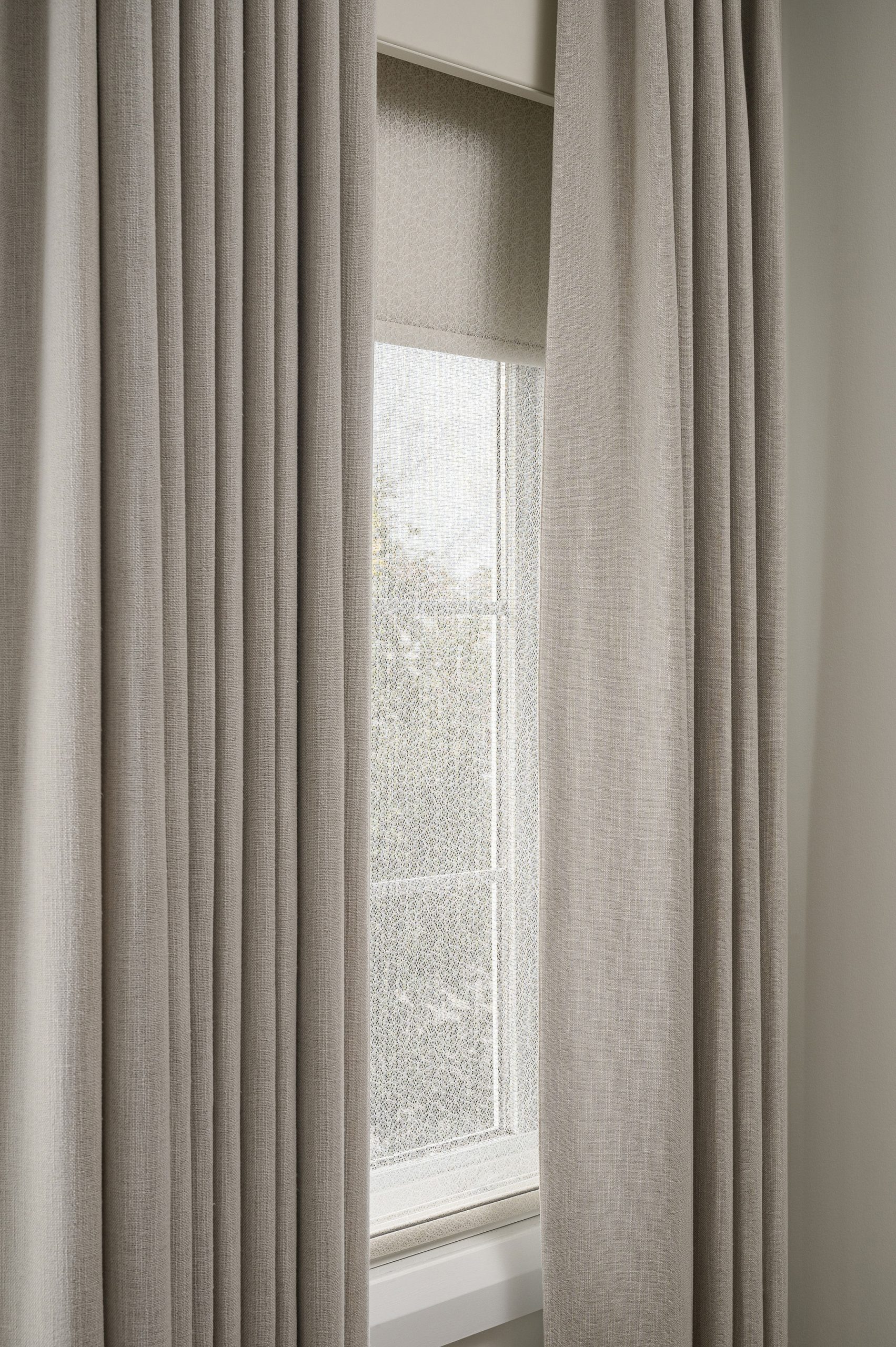
The most common layering combination is a sheer or light-filtering shade closest to the glass, with a heavier drapery panel on the outside. The sheer handles daytime privacy and softens the light. The drapery panel adds color, texture, and insulation, and you draw it closed at night or when you want the room to feel more enclosed.
Other layering options: Roman shades under stationary side panels, woven wood blinds with linen curtains, or a valance over a functional shade. Each creates a different look, but they all share the same principle. Two layers give you more visual depth, more light control, and a more finished appearance than any single treatment can manage alone.
The mistakes I see most often
The number one mistake is hanging curtains too low and too narrow. When you mount the rod at the window frame and the panels only cover the glass, the window looks smaller and the room looks shorter. Move that rod up and extend it six to twelve inches beyond the frame on each side. Your window will look bigger without any construction.
The second mistake is buying curtains that are too short. Panels should either kiss the floor or puddle slightly. Anything that hovers an inch or two above the floor looks like you bought the wrong size. It’s the curtain equivalent of pants that are too short.
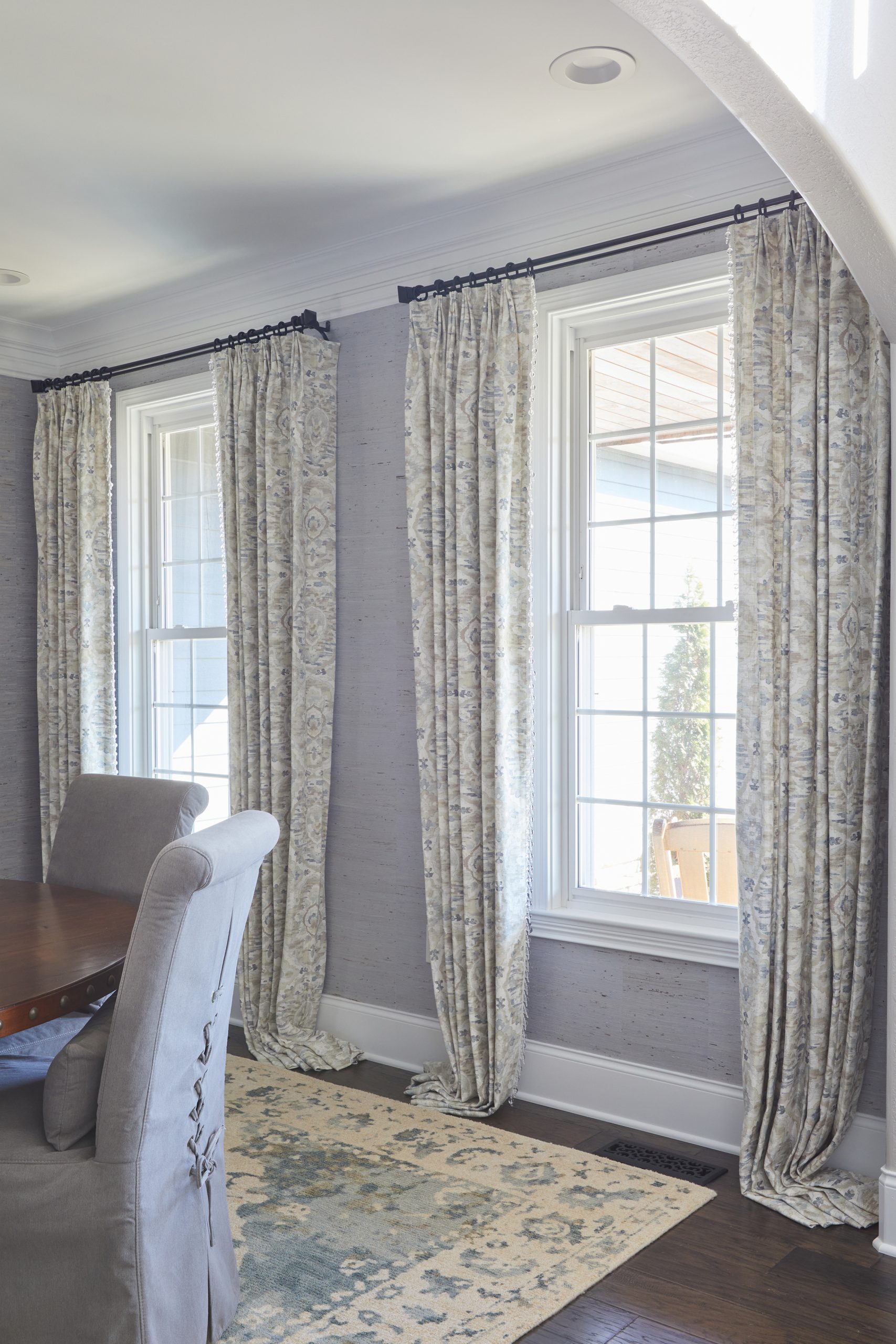
Third: choosing a pattern or color that doesn’t connect to anything else in the room. Your window treatments should pick up at least one color that’s already present somewhere else in the space, whether that’s in a throw pillow, the rug, or the upholstery. They don’t need to match exactly. They need to be in the same conversation.
And fourth: skipping the hardware. A beautiful curtain on a flimsy rod with plastic finials undercuts everything. The rod and finials are like the frame on a painting. They should complement the treatment, not distract from it or look like an afterthought.
One treatment, two ways
The same window can feel completely different depending on how you dress it. A bedroom window with a simple white linen panel and a woven wood shade feels calm and casual. Swap that linen for a deep navy velvet and change the shade to a blackout roller, and the same window feels dramatic and cozy.

That flexibility is what makes window treatments such a powerful tool. You’re not locked into one look. A seasonal swap, a fabric update, even just changing from a brass rod to a matte black one can refresh the whole window without starting from scratch.
I’ve had clients in Simsbury who swap their living room panels twice a year. Heavier, darker fabrics in the fall and winter for warmth and insulation. Lighter linens in spring and summer to let the breeze through. Same rods, same hardware, same room. Completely different feel. It’s like having two living rooms for the price of one extra set of panels.
For bedrooms, the mood shift matters even more. A good blackout layer behind a decorative panel makes the difference between a room that’s a genuine retreat and one where you’re always aware of the streetlight outside. Clients with young kids already know this. But it applies just as much to adults who want their bedroom to actually feel restful, not just look nice.
Where to start if you’re not sure
If you’re staring at bare windows and feeling overwhelmed by options, start with the room you spend the most time in. For most people that’s the living room or the bedroom.
Pick one thing you want the window to do: soften the light, add warmth, make the ceiling feel taller, or add a pop of color. That single goal narrows down your fabric, length, and style choices fast. You don’t need to solve everything at once.
Budget-wise, custom window treatments are an investment, but they last. A well-made lined drapery panel will look good for ten to fifteen years. Divide that cost across a decade of daily use and it’s one of the better values in home design. Cheap retail panels fade, shrink after washing, and start looking tired within a couple of years. I’ve had clients come to me after buying three rounds of store-bought curtains that never looked right. They could have done custom once for less than they spent trying to make retail work.
And if you’re still not sure, that’s what I do. A free in-home consultation lets me see your windows, your light, and your room in person. I can bring fabric samples and show you how different treatments would look in your actual space, not a showroom. Most clients are surprised by how quickly it all comes together once someone is there to help them see the options.
Ready to refresh your space? Reach out to Deb for a free in-home consult.