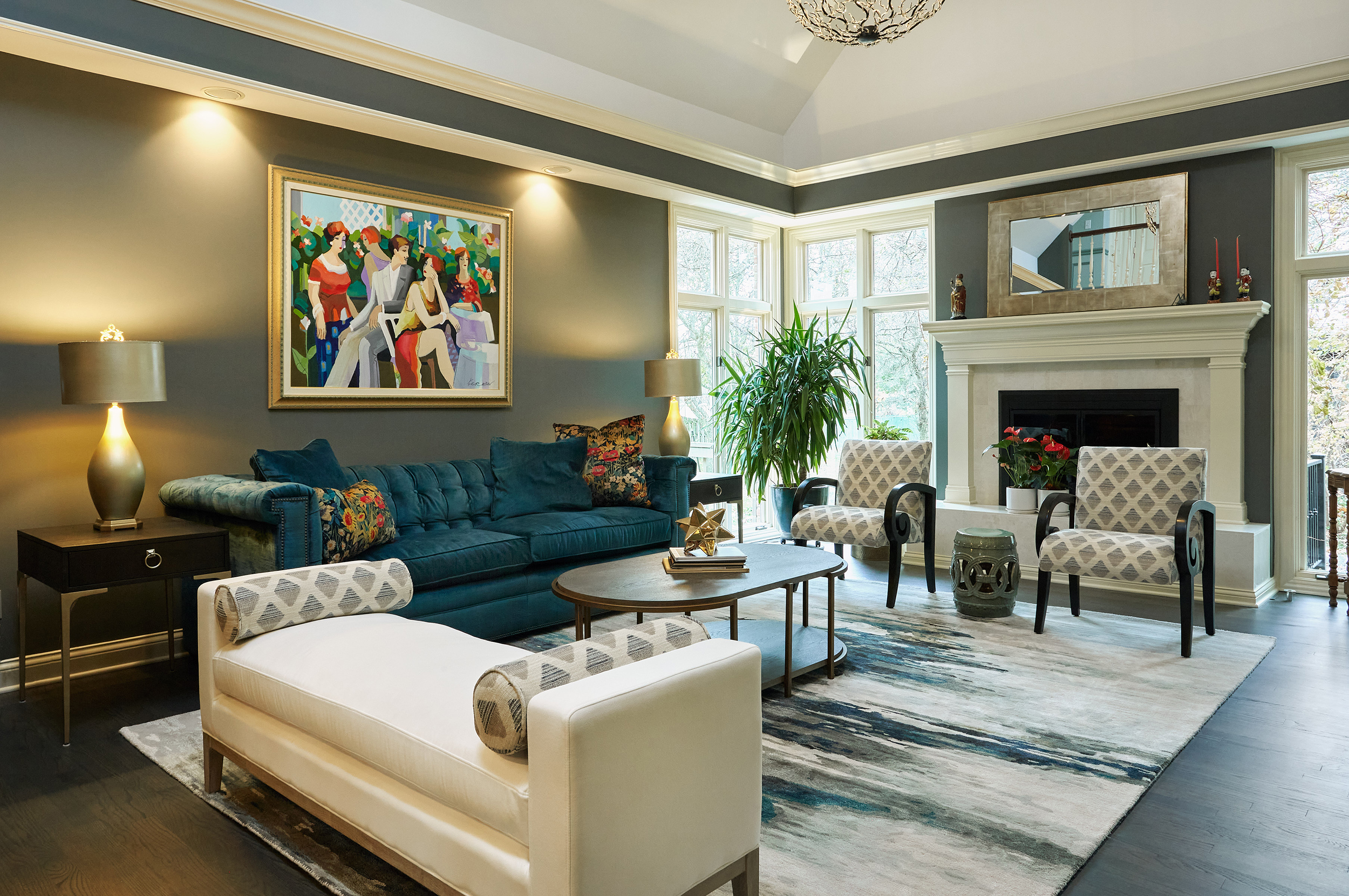
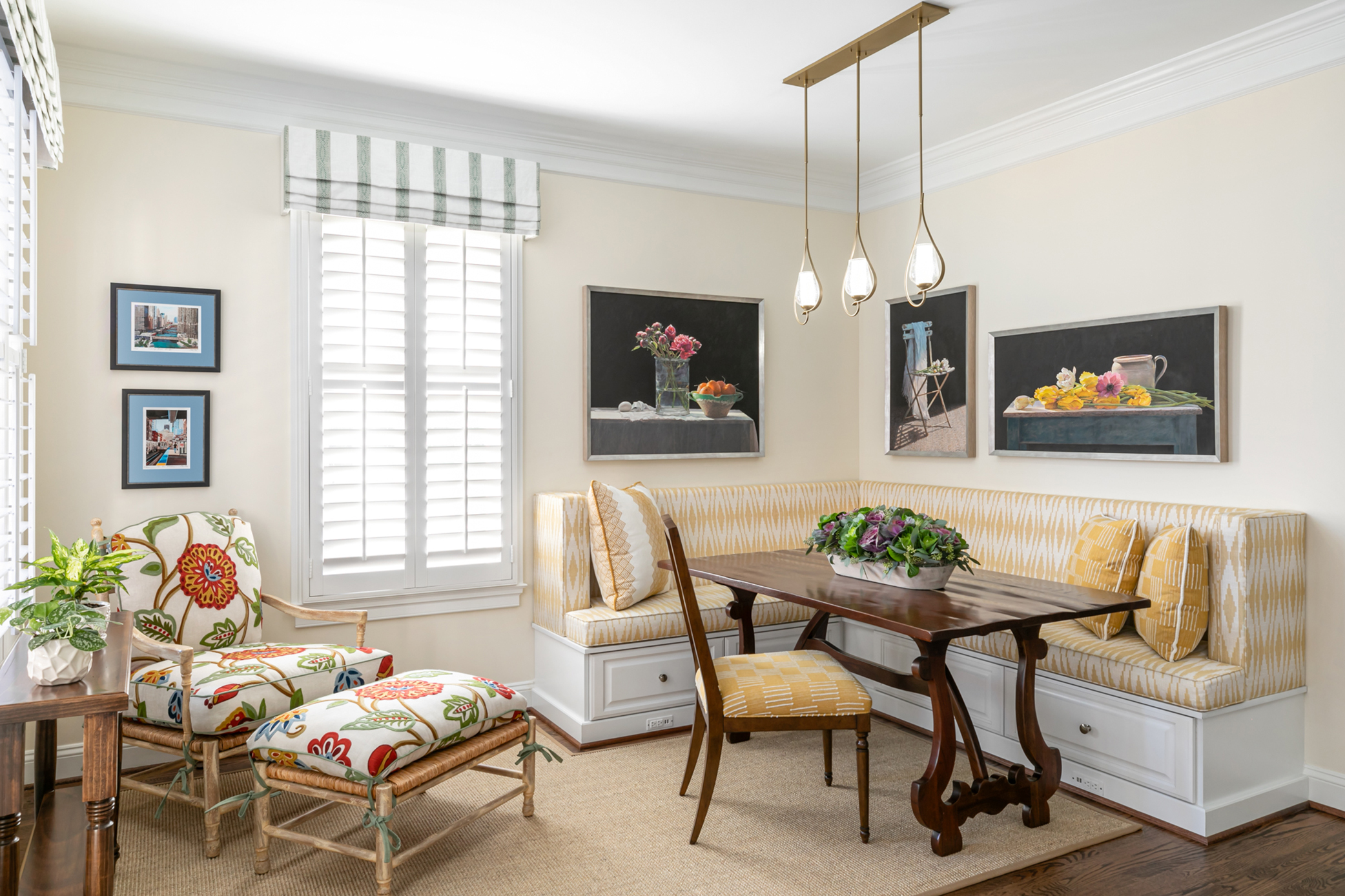
There’s a shift happening in how people want their homes to feel. If you’ve been quietly resisting the pressure to make everything match, this is your moment.
The aspirational home of the early 2020s looked like a photo shoot. Identical throw pillows, matchy-matchy furniture sets, nothing out of place. Beautiful in a magazine. Exhausting to actually live in. And honestly? It’s starting to look dated.
What’s replacing it takes more skill to pull off, but feels infinitely more personal: the collected look. Rooms that feel like they’ve been built over time. Pieces with history. Imperfection that reads as intentional.
What “collected” actually means
It doesn’t mean cluttered. It doesn’t mean mismatched and chaotic. The collected look is deliberate. It just hides its deliberateness well.

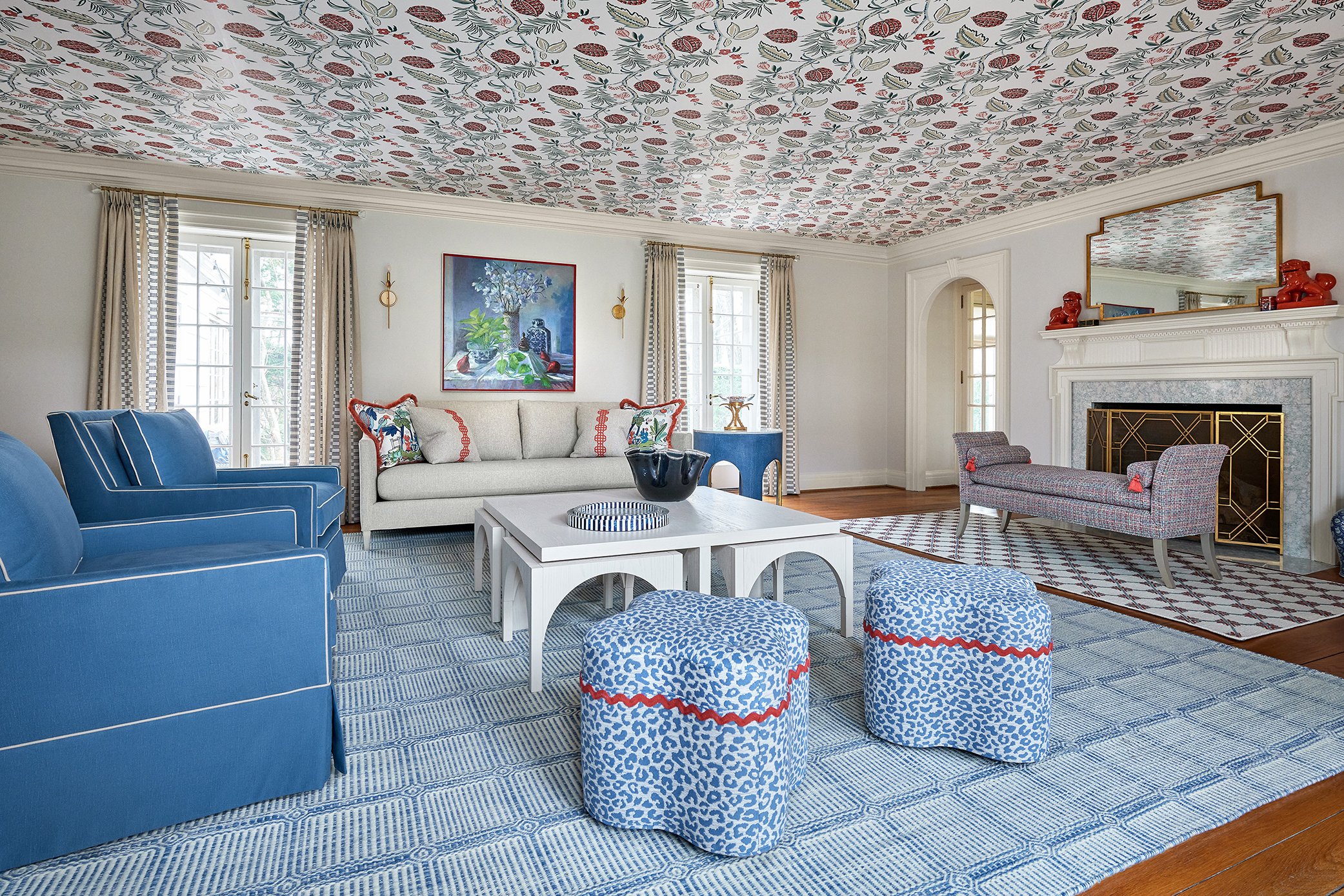
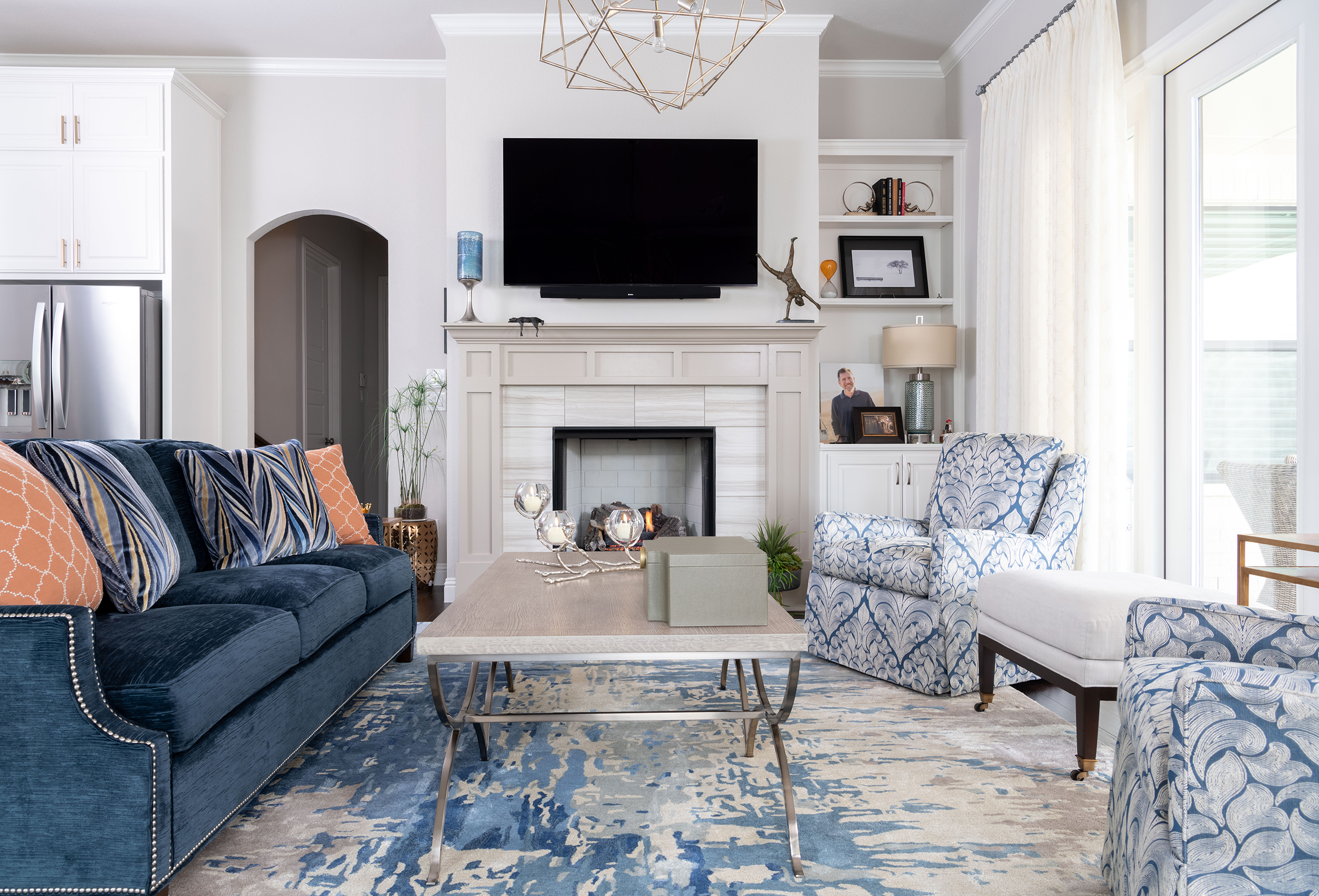
Think of a living room where the sofa is new, but the coffee table came from a grandmother’s house. The lamp is vintage, but the shade is fresh. The rug is a traditional pattern, but the pillows are a modern fabric. Nothing was bought as a set, but everything works together because someone thought carefully about color, proportion, and texture.
This is how beautifully designed homes have always looked. What changed is that now it’s the aspiration, not just the fallback for people who can’t afford to start fresh.
Why Connecticut homes are built for this
Older New England homes have architecture that lends itself to layering. Deep window sills. Original hardwood floors with a patina you can’t fake. Sometimes a fireplace with good bones, or built-in shelving from a time when people actually used built-ins. These features are a starting point that newer construction just doesn’t have.
I work with clients in the Hartford area all the time who apologize for a piece of furniture that belonged to a parent or grandparent. Half the time, that’s the most interesting thing in the room. The trick is knowing how to build around it.
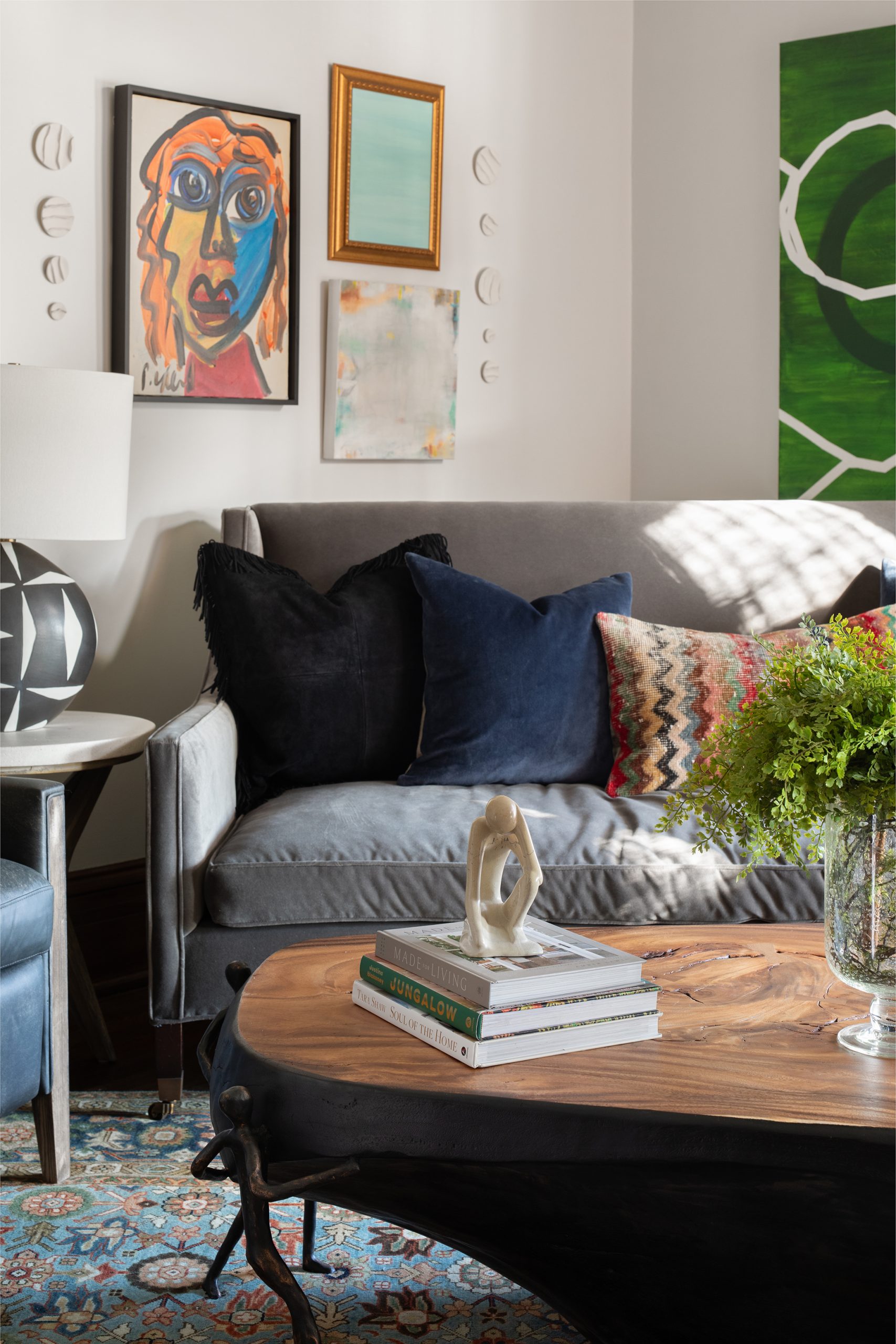
A mid-century sideboard in a room full of traditional pieces? Interesting. A chippy painted bench at the foot of a bed with crisp white bedding? Charming. An oil painting in a heavy gold frame on an otherwise modern wall? That’s the kind of contrast that makes a room feel like someone actually lives there.
Connecticut homes, especially the Capes and colonials built in the 1940s through 1970s, have rooms with distinct personalities. They have doorways and hallways that separate spaces rather than open floor plans where everything bleeds together. That separation is actually an advantage for the collected look because each room can have its own character while still feeling connected to the rest of the house through consistent color or material choices.
The key to making it look intentional
The difference between “collected” and “messy” is editing. You’re choosing what stays and what goes, and you’re connecting the pieces that remain through a common thread. Usually color, material, or scale.
Color is your connective tissue. Even if nothing matches, if every piece shares a note of the same warm brown, cream, or brass, the room will feel cohesive. I worked with a client last year in Avon who had a mix of furniture from three different decades. The pieces had nothing in common stylistically. But we unified everything with a warm palette of ivory, sage, and aged brass. New curtains, a few new lamp shades, and two throw pillows. The room went from “I inherited all this” to “I chose all this” overnight.
Vary your scale deliberately. A large piece of artwork next to a small lamp. A tall bookcase next to a low bench. These contrasts are what give a room visual energy. When everything sits at the same height and size, the eye gets bored and moves on. You want people’s gaze to travel around the room and find something new at each stop.
Let textiles do the layering. An area rug under a seating arrangement. Drapery panels that pool slightly on the floor. A throw blanket that’s actually used, not folded into a perfect magazine triangle. Textiles are the fastest way to make a room feel lived in and layered.

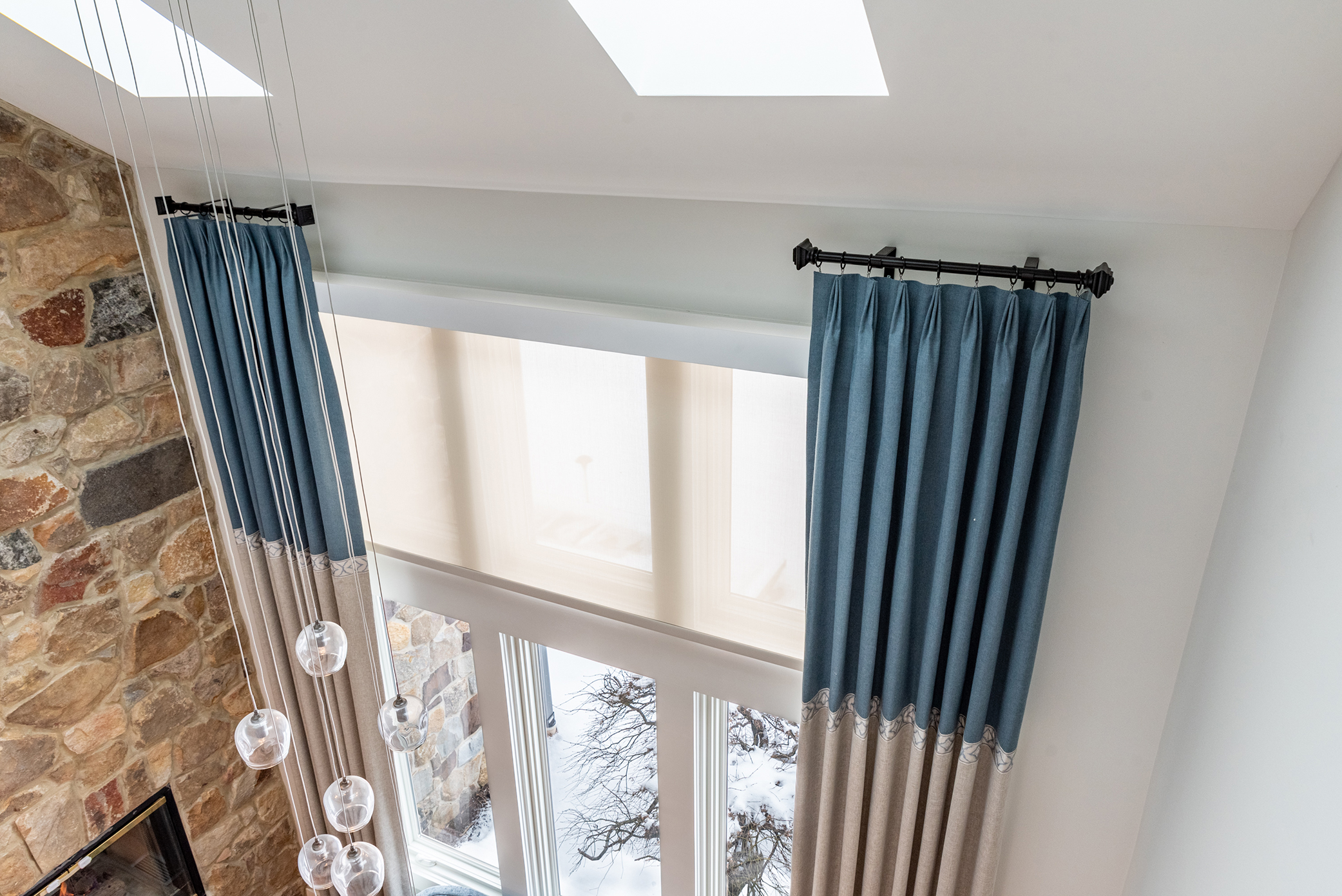
Window treatments especially. A room without drapery always looks unfinished, no matter how good the furniture is. It’s one of the first things I address with new clients because the impact is immediate. Even a simple linen panel in the right color changes how the whole room feels.
Keep your surfaces honest. A few books, a candle, a small plant. Not ten things competing for attention. Curated surface styling is what separates a collected room from an overwhelming one. If you can’t remember why something is on your coffee table, it probably shouldn’t be there.
The mistakes people make
The most common mistake I see is going too far too fast. Someone reads about the collected look, gets excited, and brings home six things from an antique mall on Saturday. By Sunday the room feels crowded and confusing.
Collecting takes time. That’s the whole point. Add one piece, live with it for a week, see how it feels. Does it make the room better? Does it connect to something else in the space? If it sits there looking orphaned, it might be the wrong piece or the wrong spot.
The second mistake is ignoring scale. A room full of small decorative objects on every surface reads as cluttered, not collected. You need anchors. One large piece of art, one substantial piece of furniture, one really good lamp. Then the smaller objects have context.
Third, people forget about negative space. A collected room still needs room to breathe. Wall space that’s intentionally left empty. A shelf that’s only two-thirds full. The gaps between things are just as important as the things themselves.
Where to find pieces worth collecting
You don’t need to spend a fortune. Some of the best collected rooms I’ve designed include pieces that cost almost nothing.
Estate sales in Connecticut are genuinely excellent for this. Towns like Avon, Simsbury, and Glastonbury regularly have sales where you’ll find solid wood furniture, real brass lamps, and framed art for a fraction of what they’d cost new. The quality of older furniture is often better than what you’d buy at a mid-range store today.
Family pieces are free and irreplaceable. That dresser your mother wants to get rid of? Ask for it. Strip it, paint it, change the hardware if you want. Or leave it exactly as it is and let it be the one piece in the room with real history. I’ve centered entire bedroom designs around a single inherited nightstand.
Local artisans and craft fairs are another source that keeps your home feeling personal. A hand-thrown ceramic vase from a Connecticut potter, a small watercolor from a local artist. These things can’t be replicated by anyone else, and they give visitors something real to notice and ask about.
One easy way to start
If your home currently feels too “matchy” and you want to introduce some personality without a full redo, start with your window treatments.
A room full of matching builder-grade furniture instantly gets more interesting when you add drapery in an unexpected color or texture. A deep linen in a warm tone, a subtle stripe, a velvet panel that only shows up at night when you close them. Window treatments frame the entire room. They’re one of the highest-impact changes you can make, and they’re exactly what I specialize in.

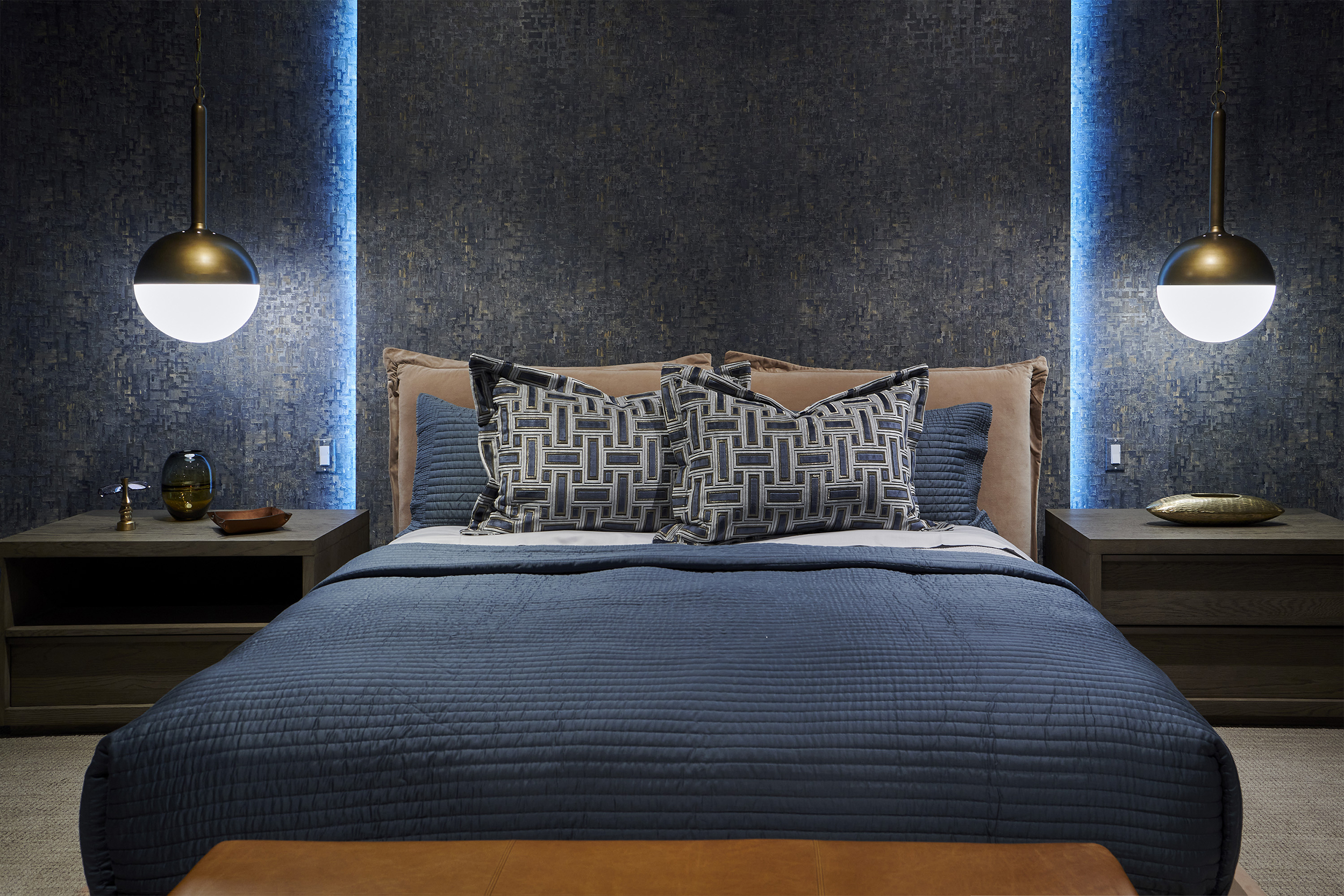
The second easiest change? Swap out your throw pillows. Remove anything that came with the sofa and replace it with two or three pillows in different fabrics. A solid velvet, a subtle pattern, and a textured weave in coordinating colors. That small change breaks the “furniture set” look immediately.
This takes more skill than it looks
Here’s the honest truth: a collected room is harder to design than a room where everything came from the same catalog. It requires knowing what works together, understanding proportion, and having the confidence to edit. That last part is the hardest. Most people are better at adding than removing, and a collected room needs both.
That’s where having a designer in your corner makes all the difference. I can walk into a room and see what’s working, what’s competing, and what’s missing. Sometimes the answer is a single piece of art in the right spot. Sometimes it’s removing four things and adding one. The result always feels like it happened naturally, even when it took real thought to get there.
If you’ve been sitting on a room that feels stuck, too sterile, too safe, or just not quite you, let’s talk. A free in-home consultation is a great place to start figuring out what that room is missing.
Ready to refresh your space? Reach out to Deb for a free in-home consult.